Beginner’s Guide: Choosing Your First Firearm
Safety & legal note: This article is educational and not legal advice. Firearm laws, transport rules, and storage requirements vary by state and change over time. Always verify current laws with your local authorities before purchasing, carrying, or training.
Choosing your first firearm can feel overwhelming. Use this clear, step-by-step framework to pick something that fits your purpose, your hands, and your budget—then set yourself up to train safely and confidently.
1) Start with your primary purpose
Your use-case drives everything else.
- Home defense: Reliability, controllability, a light you can identify with, and safe storage matter most. Size is less constrained.
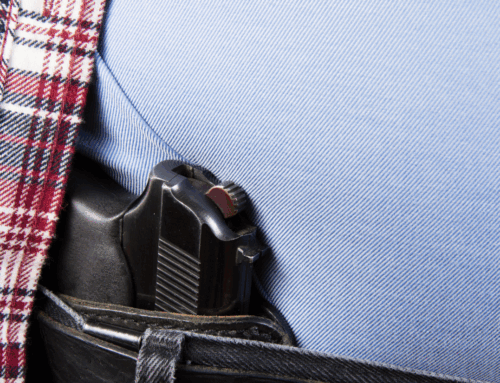
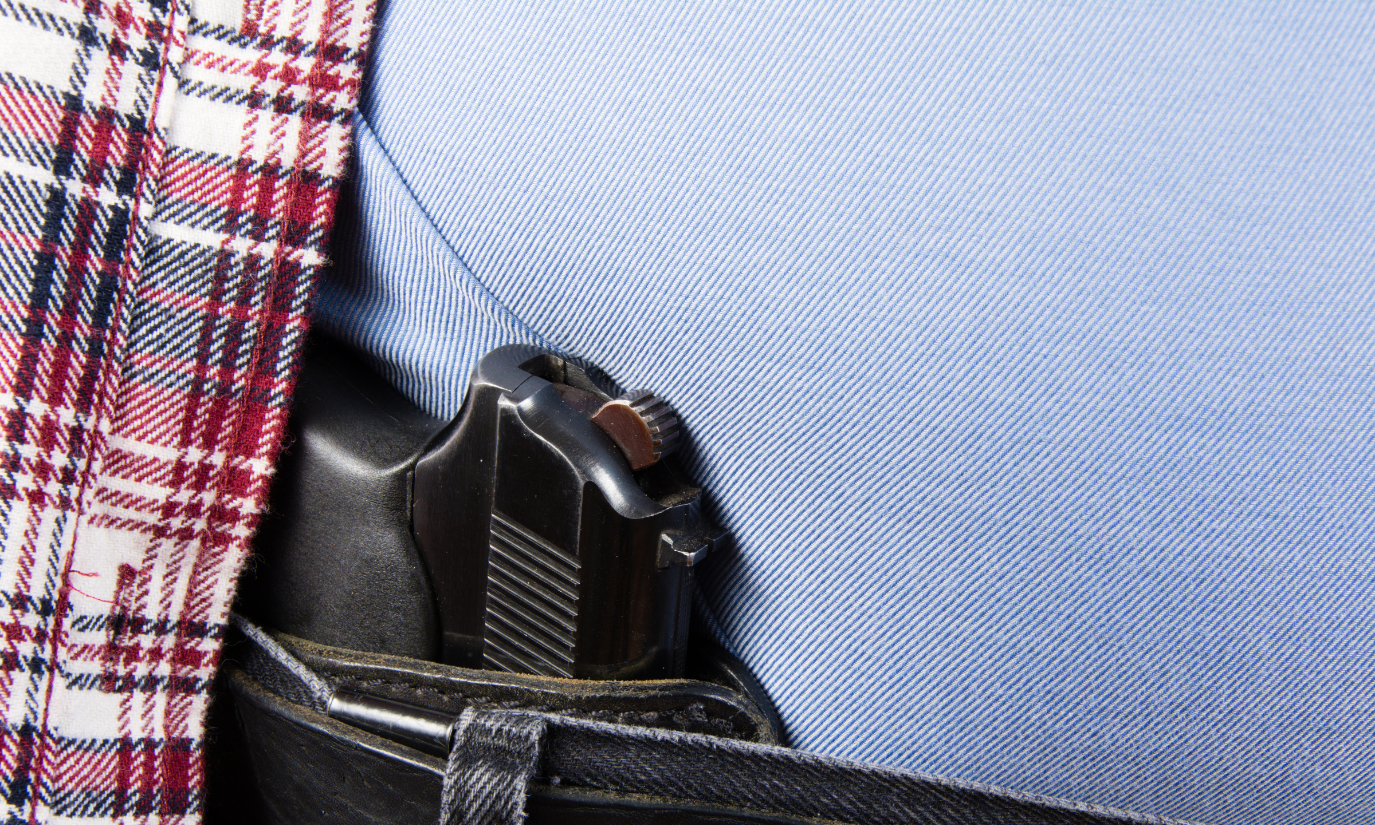
- Concealed carry: Prioritize safe concealment, shootability, and weight. You’ll balance size/capacity with how well you can control the gun.
- Range/recreational/skills building: Favor soft-shooting, affordable calibers (.22 LR is fantastic for fundamentals).
- Hunting/field use: Choose a platform/caliber appropriate for your game and local regulations.
2) Pick a platform (with pros/cons)
Handgun (most common first choice)
- Striker-fired semi-auto (9mm): Simple manual of arms, consistent trigger, widely supported.
- DA/SA or DAO: Added complexity; some prefer the heavier first pull for carry.
- Revolver (.38/.357): Very simple to operate, typically lower capacity, more recoil per shot in lighter frames.
Shotgun
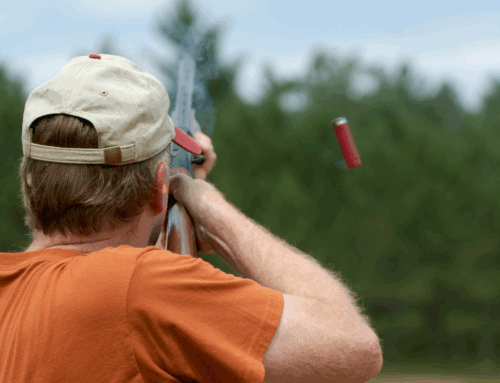
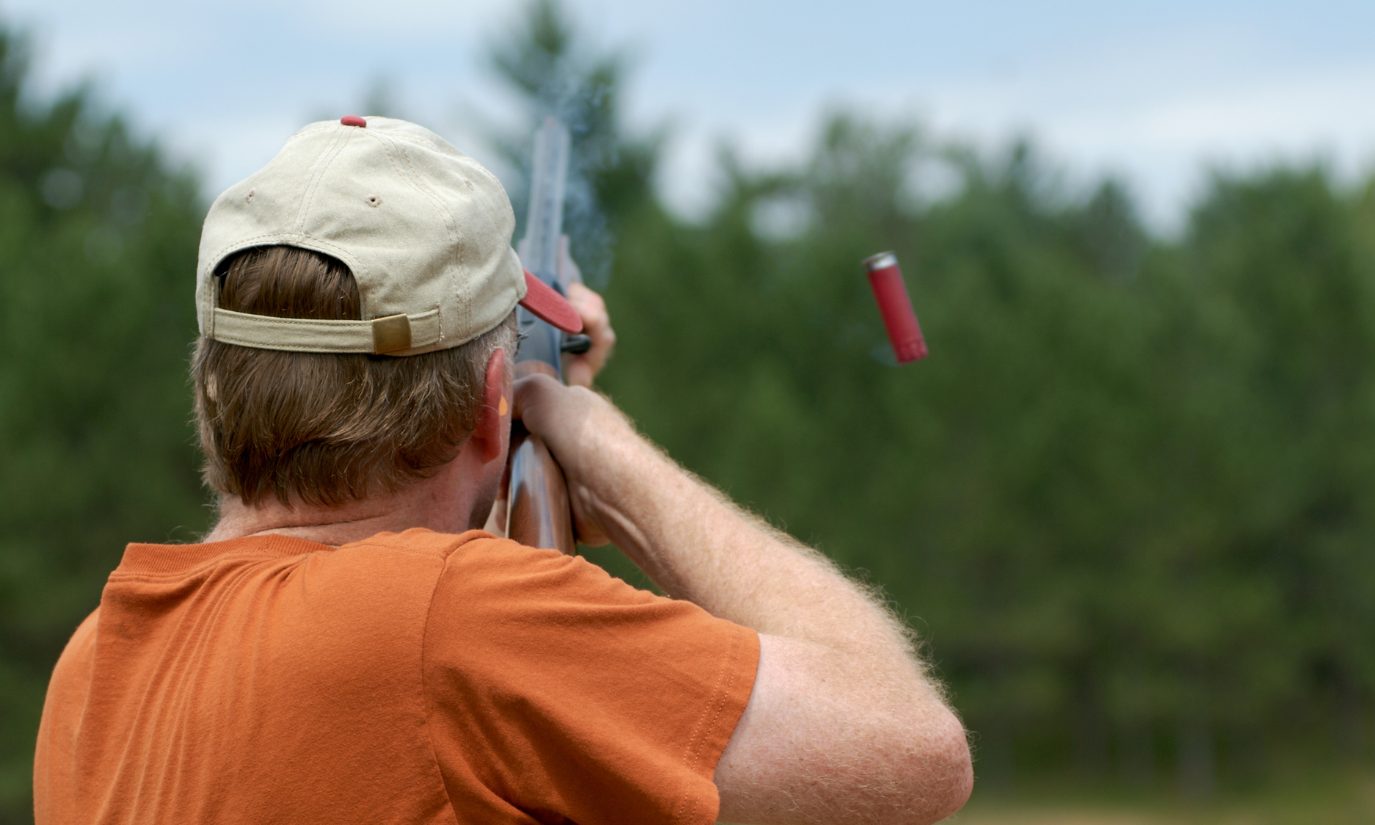
- 12 or 20 gauge, pump or semi-auto. Powerful and versatile; requires fit and technique to manage recoil and run the action efficiently.
Rifle
- .22 LR: The best skills/development starter—low recoil, cheap ammo.
- Intermediate calibers (e.g., .223/5.56): Light recoil, good control; check your state’s feature restrictions.
- Pistol-caliber carbine (9mm): Soft-shooting, inexpensive training.
Tip: For most new defensive handgun owners, a 9mm striker-fired pistol is the most forgiving place to start due to manageable recoil, capacity, and ammo availability.
3) Choose a sensible caliber
- Handgun: 9×19mm is the sweet spot (availability, recoil, performance). Smaller calibers (.380) can be easier to carry but are typically snappier in tiny guns and harder to shoot well.
- Shotgun: 12 ga has the most load options; 20 ga often recoils less in similar guns.
- Rifle: .22 LR for fundamentals; .223/5.56 is common for defensive/utility rifles where lawful.
4) Make sure it fits you (ergonomics checklist)
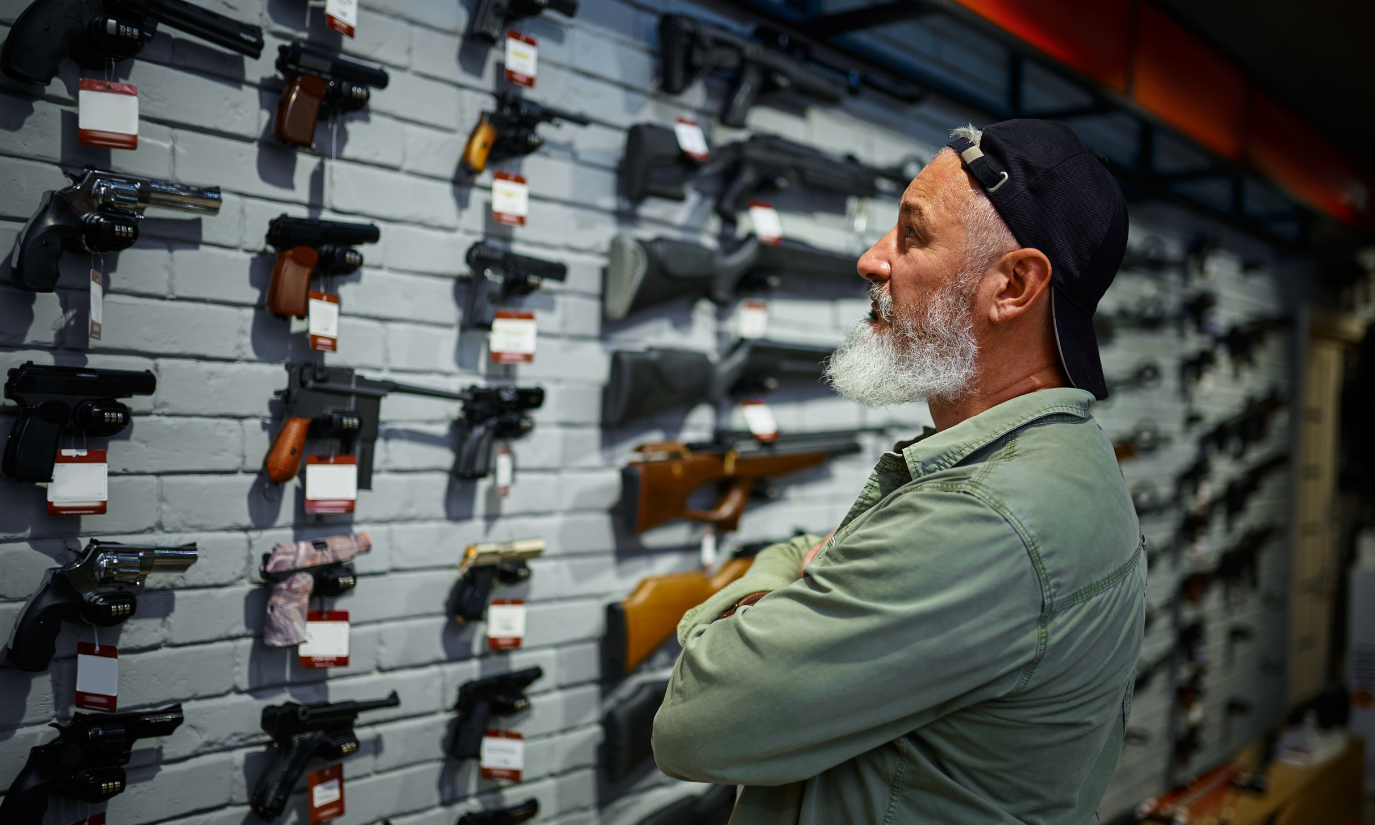
At a counter or rental range, run this quick fit test:
- Grip circumference & trigger reach: With a proper two-handed grip, the pad (not the crease) of your index finger should press the trigger straight to the rear without twisting the gun.
- Controls: Can you lock the slide/bolt, drop the mag, and run the safety without shifting your grip excessively?
- Slide manipulation (handguns): You should rack the slide confidently; try overhand and slingshot techniques.
- Sights/optics: Can you pick up the front sight quickly? If you plan to add a red dot, consider an optics-ready model.
- Recoil management: On live fire, the sights should return close to target quickly without the gun torquing out of your hands.
5) Test before you buy (if possible)
Rent two or three candidates and shoot at least 50–100 rounds each. Note:
- Function: Zero malfunctions with quality ammo.
- Control: Can you keep all shots in an 8–10″ circle at 7–10 yards at a steady cadence?
- Comfort: Hot spots in your grip? Trigger reach too long/short? Fatigue quickly?
- Follow-up shots: Are you back on sights fast, or are you waiting on the gun?
If renting isn’t an option, at least dry-fit in the store and cycle the action (with staff supervision).
6) Reliability check (after purchase)
Before relying on it:
- Run a basic break-in and test with your intended defensive load where lawful. A practical baseline many instructors use: ~200 rounds of quality practice ammo + 50 rounds of your chosen defensive load with no gun-caused malfunctions.
- Mark and trust the magazines that prove reliable.
7) Support gear you actually need
- Quality holster (for carry): Rigid, covers the trigger guard, retains the gun, and allows a safe re-holster.
- Lockable storage: Comply with local laws and keep unauthorized users out. For home defense, consider a quick-access safe.
- White light (home defense): You must identify what you’re aiming at.
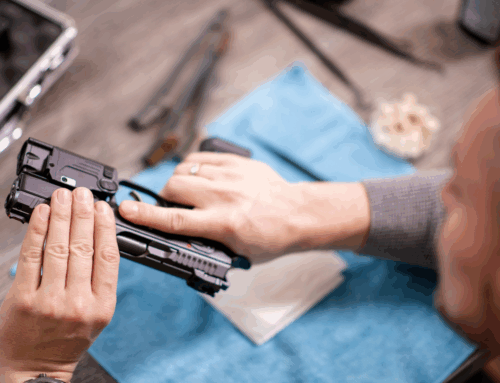
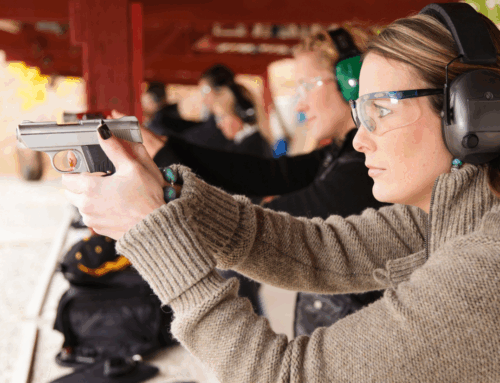
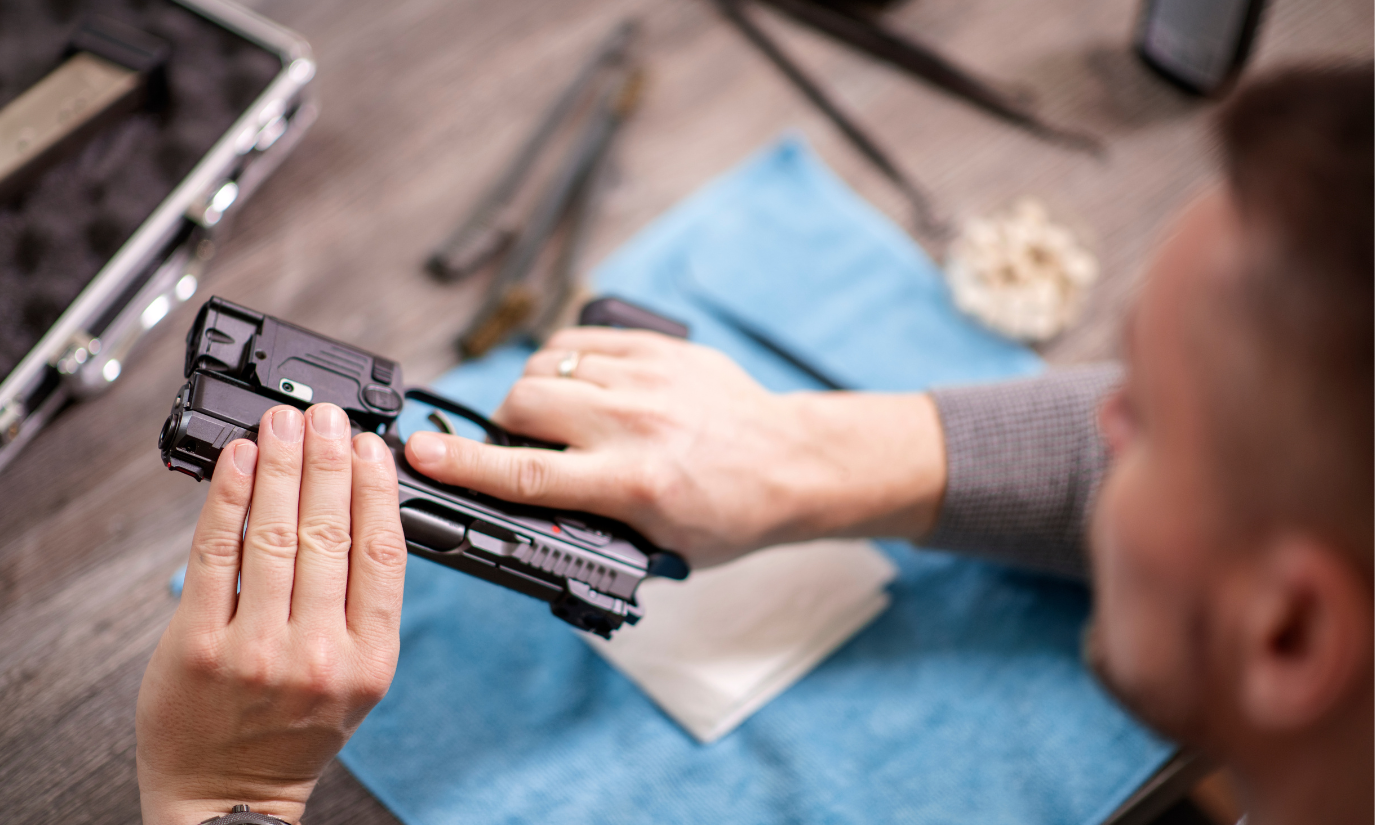
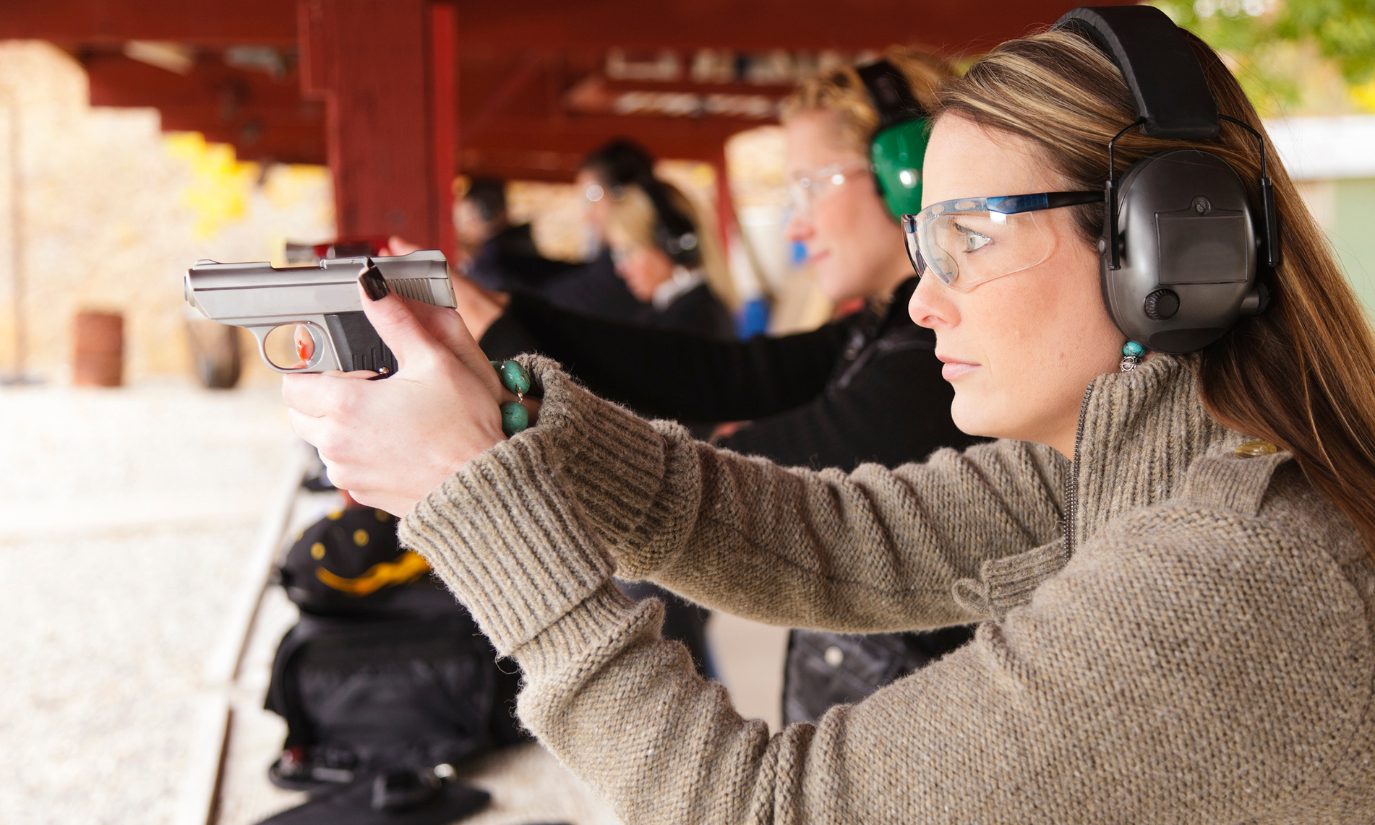
- Hearing/eye protection and cleaning kit you’ll actually use.
- Spare magazines (or speedloaders) and a small bottle of lubricant.
8) Training plan (the part that actually makes you capable)
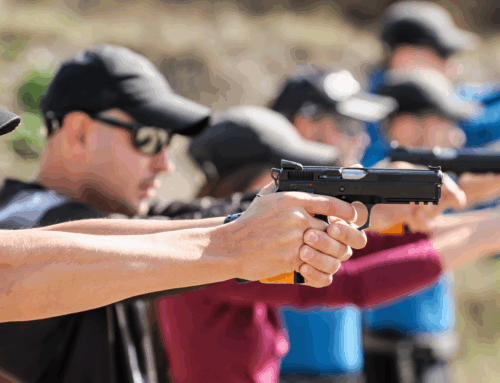
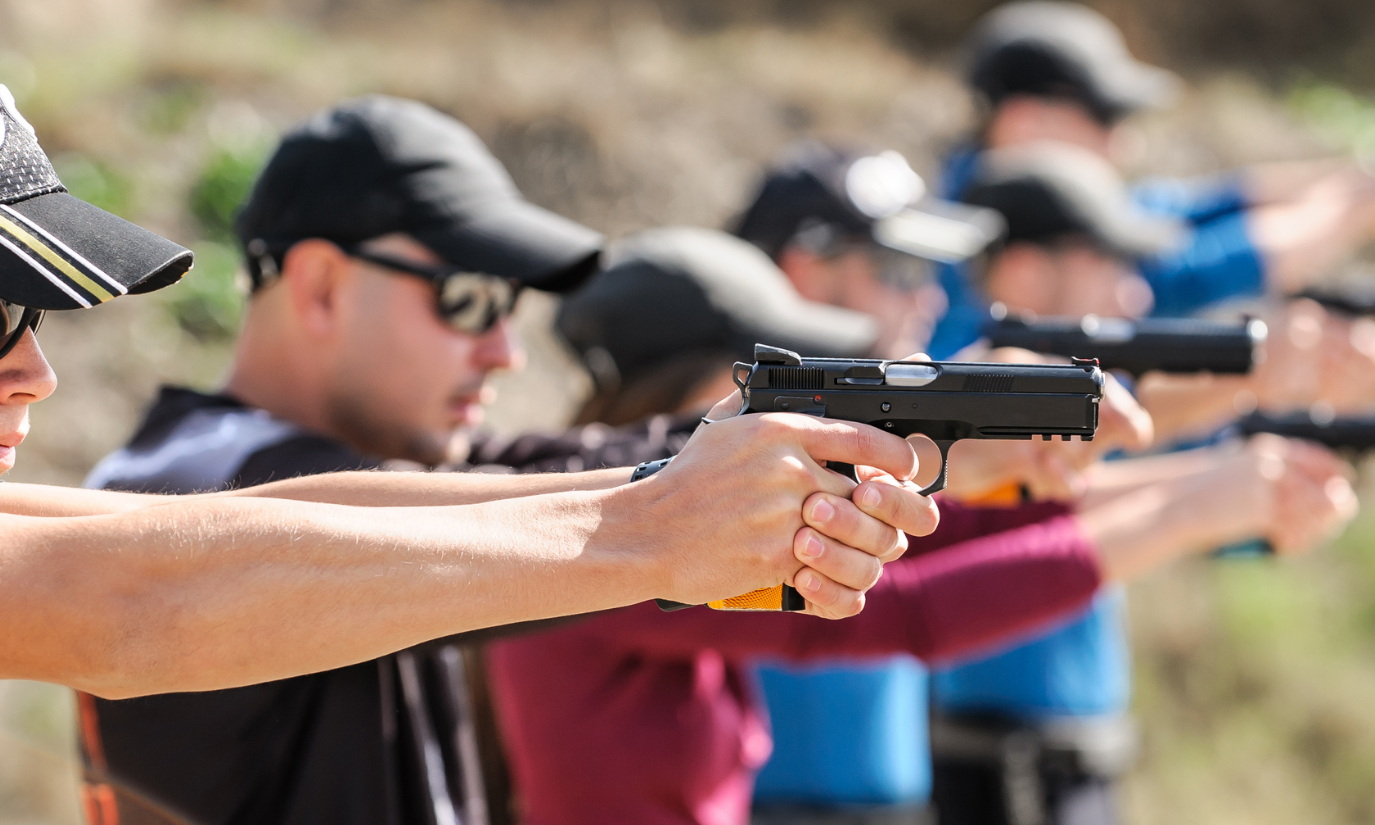
- Start with fundamentals: stance, grip, sight picture, trigger press, follow-through, and safe loading/unloading.
- Dry practice (with all ammo removed from the room) is the fastest way to build skill.
- Live-fire goals: accuracy first, then cadence. Simple drills at 3–10 yards build repeatable competence.
- Take a class: A reputable basic pistol/shotgun/rifle course accelerates progress and corrects bad habits early.
9) Budget smartly
- Firearm: buy the most reliable option you can comfortably afford.
- Ammo & training: set aside a real budget; skills come from reps.
- Storage & holster/light: don’t skimp—these directly affect safety and usability.
10) What to avoid as a first-time buyer
- Choosing the smallest handgun solely for concealment—tiny guns are harder to shoot well.
- Overly light or unusual calibers with limited ammo availability.
- Off-brand gear with poor parts support.
- Manual features you won’t consistently train (e.g., safeties you never practice disengaging).
Quick decision flow (copy/paste)
- Define purpose (home, carry, range, hunting).
- Pick platform (handgun/shotgun/rifle) and a mainstream caliber.
- Shortlist 2–3 models that fit your hands.
- Test fire and pick the one you control best.
- Buy support gear (safe, holster/light, mags).
- Complete a fundamentals class and set a practice schedule.
- Confirm your storage/transport complies with current law.
Final word
The “best first firearm” isn’t a brand; it’s the one you can operate safely, control under stress, and support with regular training. Start with purpose, confirm the fit, prove reliability, and commit to learning.
Legal disclaimer: Laws governing purchase, possession, carry, storage, ammunition, and features are jurisdiction-specific and change frequently. Always check current federal, state, and local laws—and your range or instructor’s requirements—before you buy or train.
Related Posts