The Difference Between Tactical, Defensive, and Competitive Shooting
Safety & legal note: This article is educational and not legal advice. Firearm laws, range rules, and training standards vary by location and change over time. Always follow your instructor’s safety protocols and verify current laws before training or carrying.
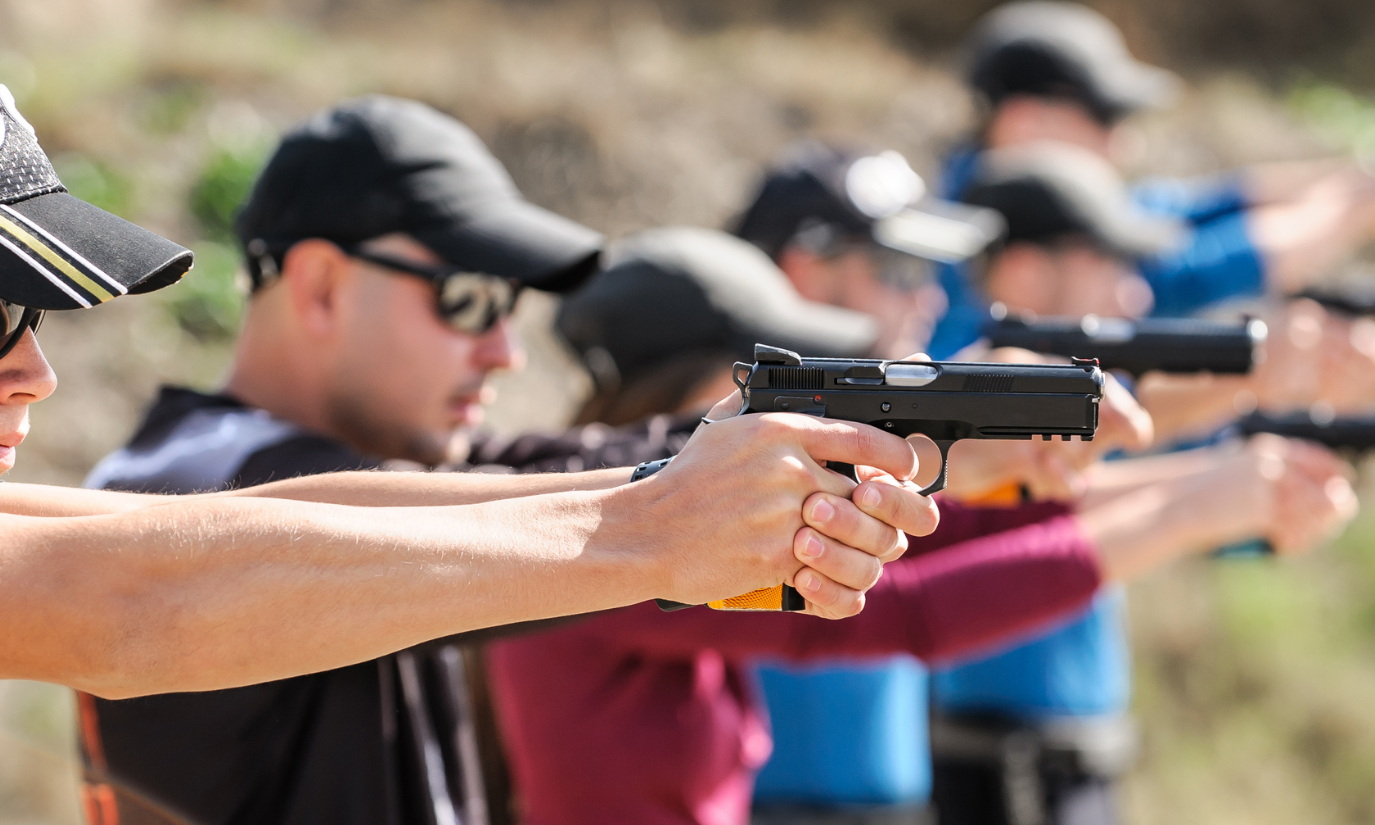
Not all “gun training” is the same. The words tactical, defensive, and competitive describe very different goals, environments, and standards. Knowing the differences helps you pick the right classes, gear, and practice plan—and avoid training scars.
Plain-English definitions
- Defensive shooting (civilian focus):
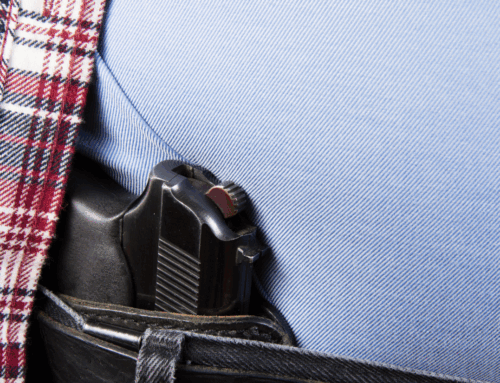
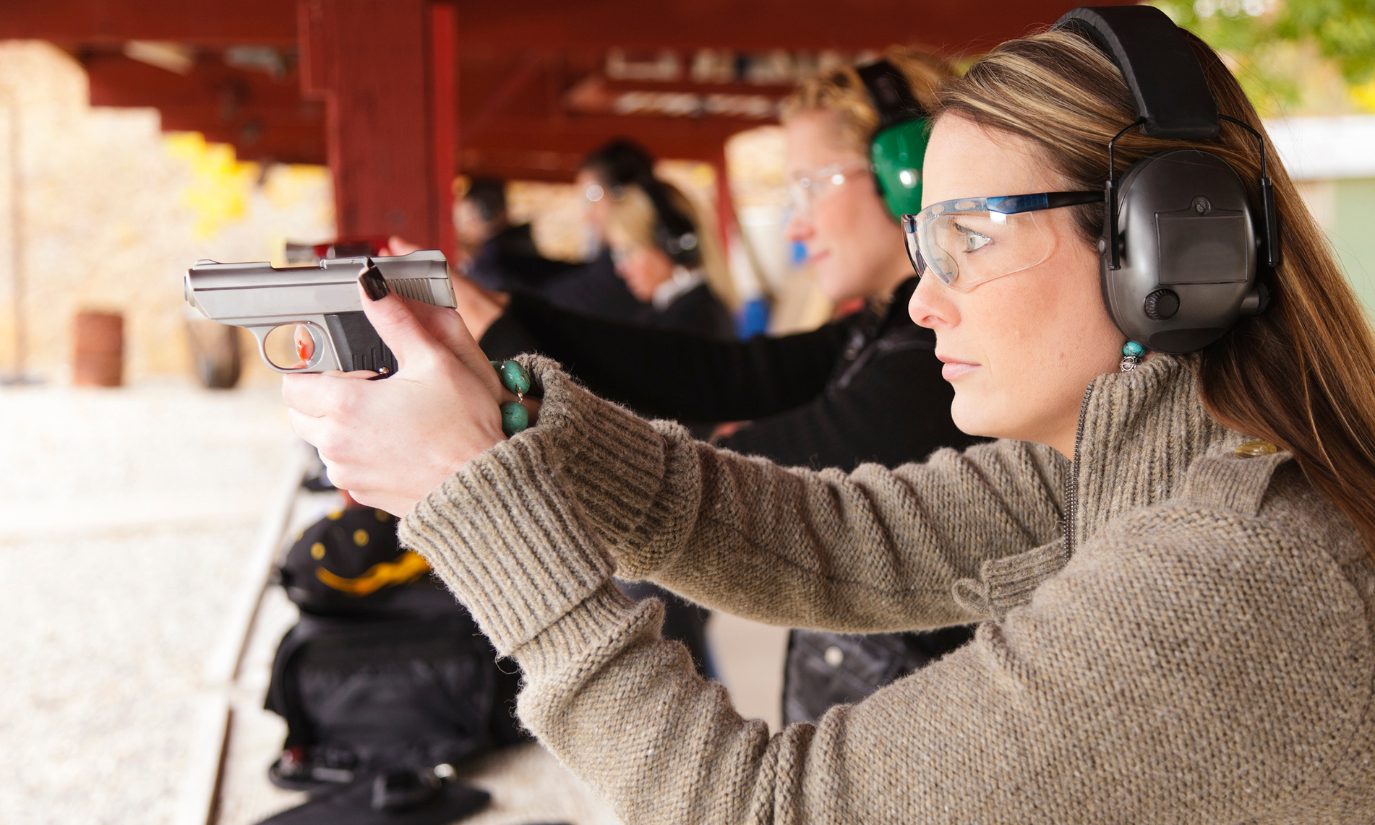
Skills for stopping an imminent threat and getting to safety—think concealed carry or home defense. Emphasis on legal/ethical use of force, threat recognition, draws from concealment, shooting from realistic distances, movement to cover, low-light options, and post-incident actions (911, first aid, securing the scene). - Tactical shooting (mission/team focus):
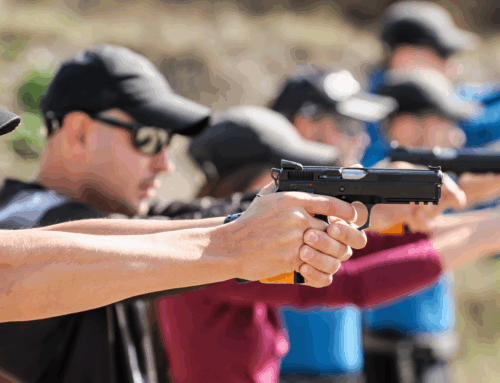
Skills used by military/LE/protective roles or their simulations: team communication, CQB entries, use of cover, target discrimination, room geometry, low-light/NODs, vehicle problems, and rules of engagement. Usually run on closed ranges/shoot houses with strict instructor control and PPE. - Competitive shooting (sport focus):
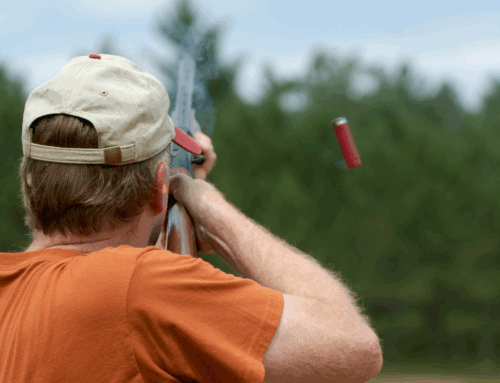
Shooting as a game under a rulebook and timer (e.g., USPSA/IPSC, IDPA, Steel Challenge, 3-Gun, PRS). Emphasis on speed, accuracy, and stage planning within safety rules (e.g., 180° rule, muzzle and trigger discipline). Scores and classifications track progress.
Quick comparison
| Dimension | Defensive | Tactical | Competitive |
|---|---|---|---|
| Primary goal | Survive and stop the threat lawfully | Win the mission and come home | Win the stage/match |
| Typical context | Solo or partner; public spaces/home | Team or element; structured missions | Solo under range officers & rules |
| Core skills | Draw from concealment, fast first hit, movement to cover, decision-making, low-light, post-incident actions | Team movement/communication, CQB, breaching, vehicle/structure problems, force policy | Stage planning, entries/exits on positions, recoil control, fast splits/reloads, accuracy at speed |
| Metrics | “Cold” first-shot time + acceptable hits, lawful decisions | Mission success, adherence to ROE/TTPs, safety | Hit factor/time-plus, penalties, classifier scores |
| Gear focus | EDC pistol/holster, light, med kit, safe storage | Duty gear, armor, radios, NVGs/white light, sling | Game-legal pistols/rifles, mag pouches, race holsters/offset mounts |
What transfers well across all three
- Marksmanship: sight picture, acceptable wobble, clean trigger press.
- Gun handling: safe draws, reloads, malfunction clears, movement with muzzle discipline.
- Pressure management: the timer (competition) and scenario stress (defensive/tactical) both expose gaps you can fix.
- Efficient footwork and entries: moving into/out of positions without breaking safety.
Where people get training scars
- Gaming cover: Many matches don’t require true cover use; some do but in simplified ways. Don’t let “slice the pie” become “lean at cardboard.”
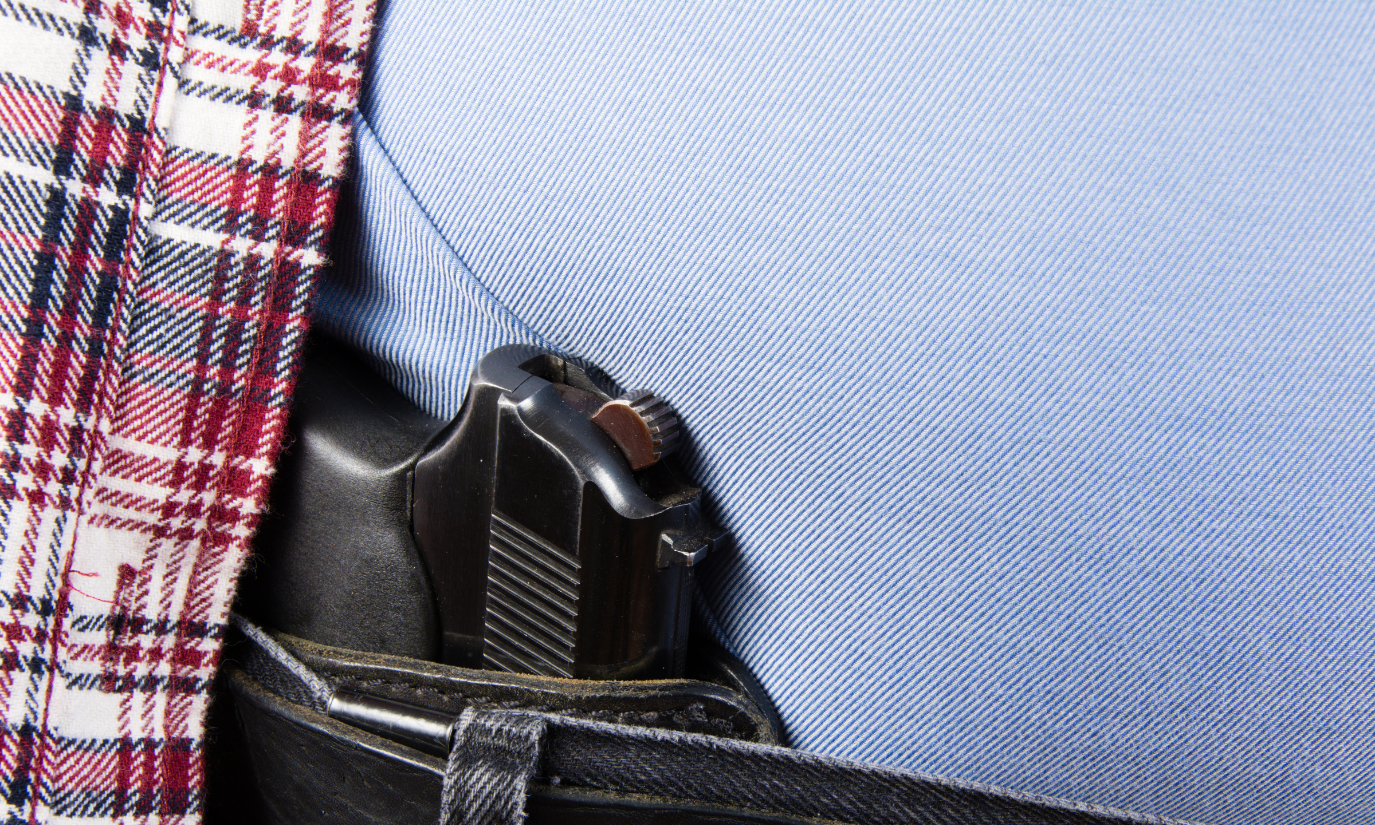
- Race holsters vs. real carry: A lightning-fast OWB race holster isn’t your AIWB concealment rig. Train your carry draw separately.
- Artificial target arrays: Stages sometimes encourage shooting order you wouldn’t pick in a real incident. Keep a separate defensive decision-making practice.
- Speed over judgment: In real life, don’t shoot what you can’t positively ID. Maintain a low-light/ID standard in defensive practice.
Choosing your lane (and building a balanced plan)
- If your priority is personal safety (most new shooters):
- Start with a defensive handgun class.
- Add one match per month (IDPA/USPSA/Steel) to pressure-test gun handling.
- Keep a quarterly low-light or home-defense block if available.
- If you’re duty/mission oriented (LE/mil or vetted citizen programs):
- Maintain team/tactics training cadence per unit policy.
- Use competition sparingly to sharpen mechanics—as long as you keep ROE and tactics mentally separate.
- If you’re sport-first and curious about defense:
- Keep competing (it’s great for skill).
- Add a reputable defensive class to learn legal standards, de-escalation, and post-incident procedures.
Sample performance benchmarks (use them “cold”)
- Defensive draw to first acceptable hit (7 yards): ≤ 1.5–2.0 sec from concealment with A-zone/center-mass hit.
- Bill Drill (7 yards, concealment if applicable): 6 shots, all in the A/center within ~2.5–3.5 sec, no safety breaks.
- 2R2 (two-reload-two, 7–10 yards): Under ~3.5–4.5 sec with all acceptable hits.
- Low-light standard: produce ID (white light), get one accountable hit at 5–7 yards in ≤ 2.5 sec from carry.
(Benchmarks are guidelines for practice progression, not pass/fail for real incidents.)
Gear notes by lane
- Defensive:
- Reliable pistol that fits your hands, holster that fully covers the trigger, sturdy belt, handheld or weapon light (learn to use both safely), and a small IFAK (tourniquet, pressure dressing as trained).
- Prioritize concealment draws and carry ammo reliability testing.
- Tactical:
- Duty-grade rifle/pistol with white light, sling, optic with documented zero, armor/helmet/ear pro that works with comms, and med kit staged to your SOP.
- Keep torque values, batteries, and sling setup logged.
- Competitive:
- Gear legal for your division; invest in magazines and dry-fire time before exotic parts.
- Zero the optic/irons, confirm chrono if division power factors apply.
Building a week-to-week practice split (example)
- 1 session defensive mechanics (45–60 min): concealment draws, 1–2 shots, movement to cover, light activation, reloads, one low-round “cold” test.
- 1 session pure speed/accuracy (45–60 min): throttle control, transitions, recoil work, 10–20 yard accuracy.
- Optional: match day or structured stage practice every 2–4 weeks.
- Quarterly: scenario/low-light or medical refreshers.
How to vet classes and instructors
- Defensive: Look for clear safety protocols, legal module, low student-to-coach ratio, and published learning objectives.
- Tactical: Require vetted access, medical plan, dedicated safety officers, and curriculum appropriate to your role.
- Competitive: Match safety briefings, certified range officers, and a culture that enforces muzzle/trigger discipline.
Bottom line
- Defensive = survive lawfully.
- Tactical = win the mission with a team.
- Competitive = win the stage under rules.
Blend them intentionally: use competition to sharpen mechanics, defensive training to guide decisions, and (where appropriate) tactical blocks to understand complex environments. Keep your safety fundamentals constant across all three—and always confirm the current laws and range requirements where you train.
Related Posts