Understanding Concealed Carry Laws in California
Not legal advice. California firearm laws change often and are being actively litigated. Always verify with your local sheriff/police department and the California DOJ before acting (links/citations below). This guide reflects the status as of August 12, 2025. (California DOJ)
The big picture (post–SB 2)
California is now effectively shall-issue: local licensing authorities (sheriffs or police chiefs) must issue a CCW if the applicant is not a “disqualified person,” meets objective criteria, and completes the required training. SB 2 replaced the old “good cause/good moral character” standard with objective disqualifiers. (California DOJ)
A standard CCW is valid for up to 2 years (judicial: up to 3; reserve/custodial: up to 4; employment: up to 90 days). Licenses are issued by your county sheriff or city police chief (the “licensing authority”), not by the DOJ. (California DOJ)
Core eligibility (resident applicants)
To be issued or renewed under Penal Code §26150/§26155, you generally must:
- Be 21+ and provide proof of identity (Penal Code §16400). (Findlaw)
- Be not a disqualified person (see §26202 standards and investigation). (Justia Law)
- Reside in the county/city (or have your principal place of business there and spend substantial time there). (Findlaw)
- Complete training (see below). (Findlaw)
- Be the recorded owner with DOJ of each handgun you list on the license. (California DOJ)
Nonresident applicants (new in 2025)
Following a federal court order, as of April 22–23, 2025 certain non-California residents may apply for a California CCW if they are members of CRPA, GOA, GOC, or SAF and otherwise eligible. Nonresidents apply to a California jurisdiction where they intend to spend time in the next 12 months (attested under oath). The DOJ provided statewide guidance to issuing agencies. Requirements for nonresidents differ slightly (e.g., the resident “recorded owner” rule is handled via listing/qualification). Check the DOJ bulletin and your chosen agency’s instructions. (California DOJ, lasd.permitium.com, Nevada County)
Required training
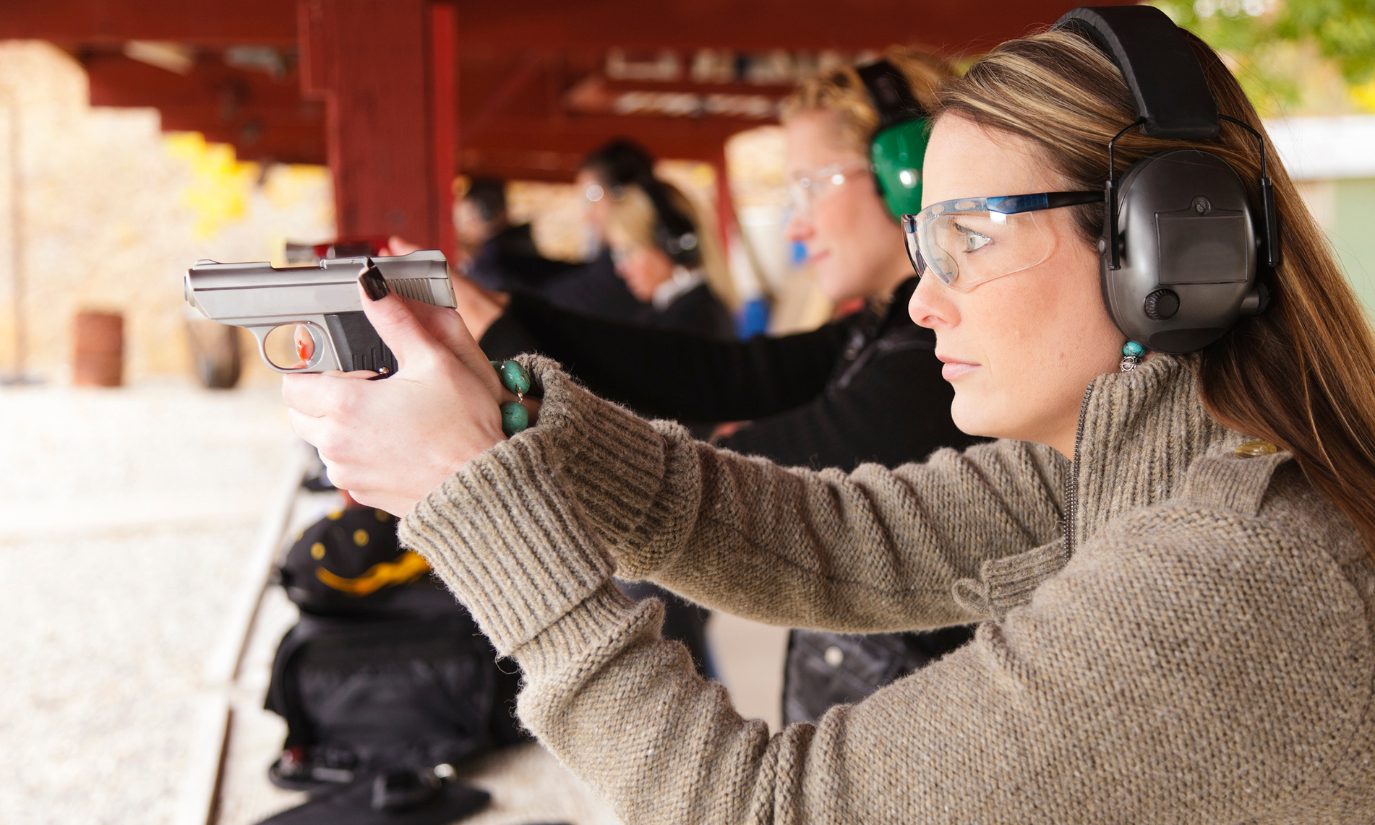
For new licenses: ≥16 hours, covering firearm safety/handling, safe storage and vehicle transport, where you may carry, lawful use of force, a ≥1-hour mental-health/resources module, a written exam, and live-fire qualification with each listed handgun. For renewals: ≥8 hours with live-fire. Do not pay for training until your issuing agency tells you to proceed (law requires an initial disqualification screening first). (Justia Law)
Issuing authorities must provide an initial determination within 90 days of receiving a completed application (e.g., whether you may proceed to training). (Justia Law)
How you must carry (key statewide rules)
While carrying under a CCW, Penal Code §26200 prohibits, among other things:
- Consuming alcohol or controlled substances; or being under the influence.
- Being in a bar/primary alcohol-dispensing venue.
- Carrying a handgun not listed on your license (with limited exceptions for certain license types).
- Failing to carry/show your license or to surrender the firearm to a peace officer on demand for inspection.
- Carrying more than two firearms at once under your license. (Findlaw)
Duty to inform: California has no statewide “duty to inform” statute, but many issuing agencies add it as a license condition. For example, Morgan Hill PD requires immediate disclosure to any peace officer as a license condition. Read your license terms. (Findlaw, morganhill.ca.gov)
Open carry: As a rule, California prohibits open carry (loaded or unloaded) in most public places; carry in public is generally by concealed license only. (Findlaw)
At home/business: You may carry without a CCW at your residence, business, or private property if you are a U.S. citizen or legal resident 18+ and not otherwise prohibited—but all other laws still apply (e.g., school zones, sensitive places). (Findlaw)
Where you cannot carry (sensitive places)
California’s “sensitive places” law (Penal Code §26230) was partially enjoined in 2023, and then partly reinstated on January 23, 2025 by the Ninth Circuit. The DOJ summarized what is enforceable now. As of Aug. 12, 2025, 20 of 26 categories are in effect. Highlights: (California DOJ)
Now enforceable (examples):
- Bars & restaurants that serve alcohol (plus related parking).
- Playgrounds & youth centers (and adjacent sidewalks/streets).
- Parks, athletic areas/facilities (and adjacent sidewalks/streets).
- Most land under CA Parks & Recreation / Fish & Wildlife.
- Casinos & similar gambling venues (and related parking).
- Stadiums/arenas, public libraries, amusement parks, zoos/museums (with related parking).
- Plus locations that were never enjoined: school zones; preschools/childcare; state executive/legislative buildings; courts; local government buildings; adult/juvenile detention; colleges & universities; airports; passenger vessel terminals; Nuclear Regulatory Commission–controlled property; police stations; polling places. (California DOJ)
Still blocked (preliminarily enjoined) as of today:
- Hospitals & medical facilities (and their parking).
- Public transit systems and related property.
- Permitted public gatherings/special events (and ≤1,000-ft adjacent sidewalks/streets).
- Places of worship.
- Financial institutions.
- The “default rule” banning carry on all publicly open private property unless pro-carry signage is posted.
These six remain enjoined under ongoing litigation; check for updates. (California DOJ)
Reciprocity
California does not recognize out-of-state CCW permits. If you want to carry in California, you need a California-issued CCW (resident or, under the 2025 order, qualifying nonresident). Local agencies state this plainly. (Santa Clara County Sheriff)
Step-by-step: applying for a CA CCW
- Find your licensing authority (sheriff or city police, depending on residence/employment). Use the Standard Application (BOF 4012) and follow the agency’s instructions. (California DOJ)
- Initial review / disqualification check under §26202 (fingerprints/background later in the process). You should receive an initial determination within 90 days of a completed application. (Justia Law)
- Training: Once authorized by the agency, complete the 16-hour+ course (and pass live-fire with each handgun you plan to list). Renewals: 8 hours. (Justia Law)
- Issuance: Your license lists the specific handguns you may carry (residents must be the recorded owners), and you must follow any additional local conditions stated on the license. (California DOJ, Findlaw)
Quick FAQs
- Can I carry more than two guns on my CCW? No—state law caps it at two at a time. (Findlaw)
- Do I have to tell an officer I’m armed? State law requires you to show your license and surrender the firearm on demand. Some agencies also require immediate disclosure as a license condition—read your license. (Findlaw, morganhill.ca.gov)
- Is open carry legal? Generally no (see §§25850 and 26350). (Findlaw)
Keep current
- California DOJ CCW FAQ (license types, ownership/listing rules, validity) and forms. (California DOJ)
- DOJ Bulletin 2025-DLE-06 (what sensitive-place rules are enforceable now). (California DOJ)
- DOJ Bulletin 2025-DLE-10 (nonresident application guidance and membership requirement). (California DOJ)
- Training statute (§26165) and carry-conduct statute (§26200). (Justia Law, Findlaw)
Disclaimer (again): This post is educational and not legal advice. Before you carry, verify the current law and any local license conditions with your issuing agency and the California DOJ—especially the status of sensitive-place restrictions, which remain in active litigation. (California DOJ)
Related Posts