What to Expect in Your First Firearms Training Class
Safety & legal note: This article is educational and not legal advice. Range rules and firearm laws vary by location and change over time. Always confirm current laws and your range’s policies before training.
Whether you’re brand new or dusting off old skills, a well-run introductory class follows a predictable arc: safety briefing → fundamentals → dry practice → live fire → debrief. Here’s what that looks like—and how to get the most from it.
1) Check-in, paperwork, and gear
- Waivers & IDs: Expect a liability waiver, ID check, and a quick health/medication questionnaire.
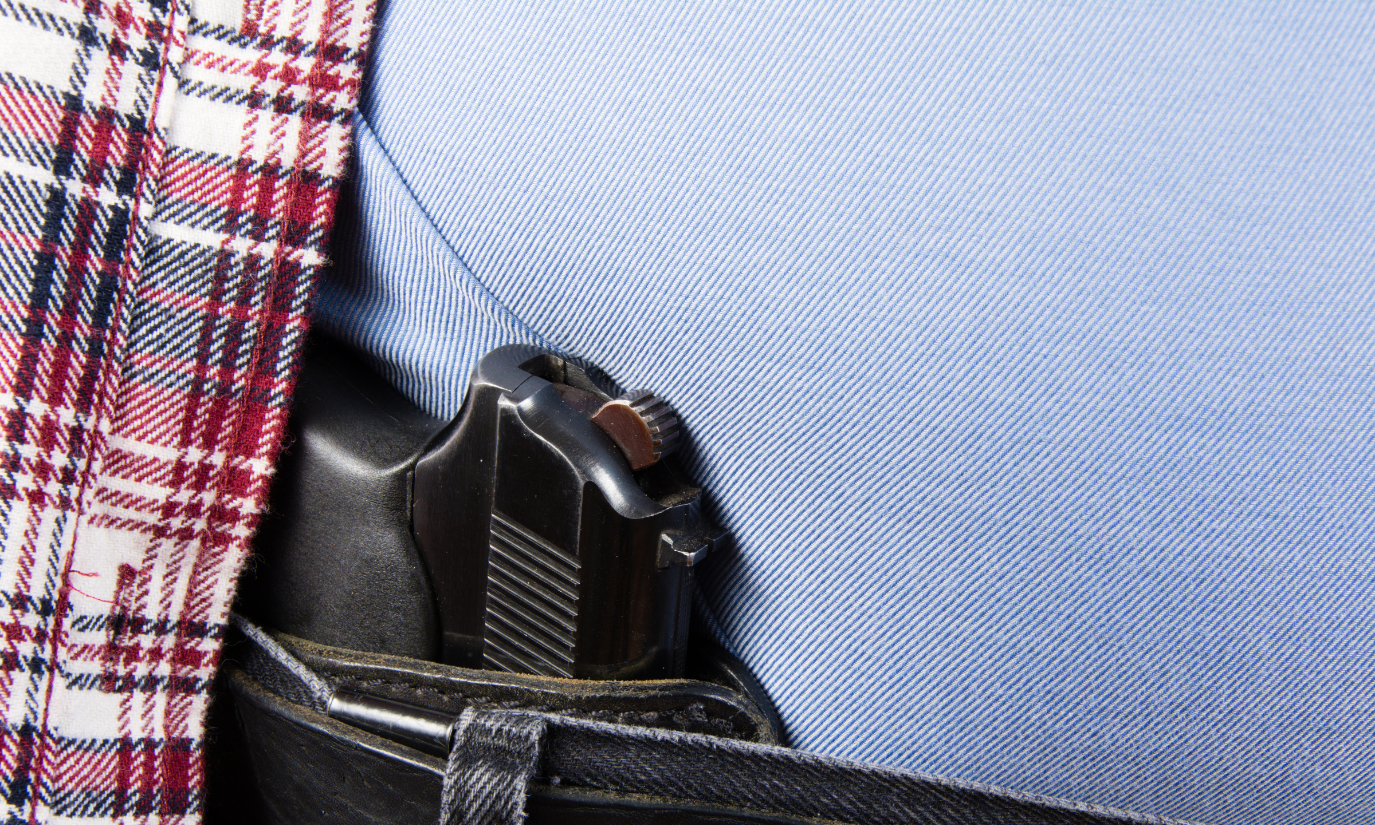
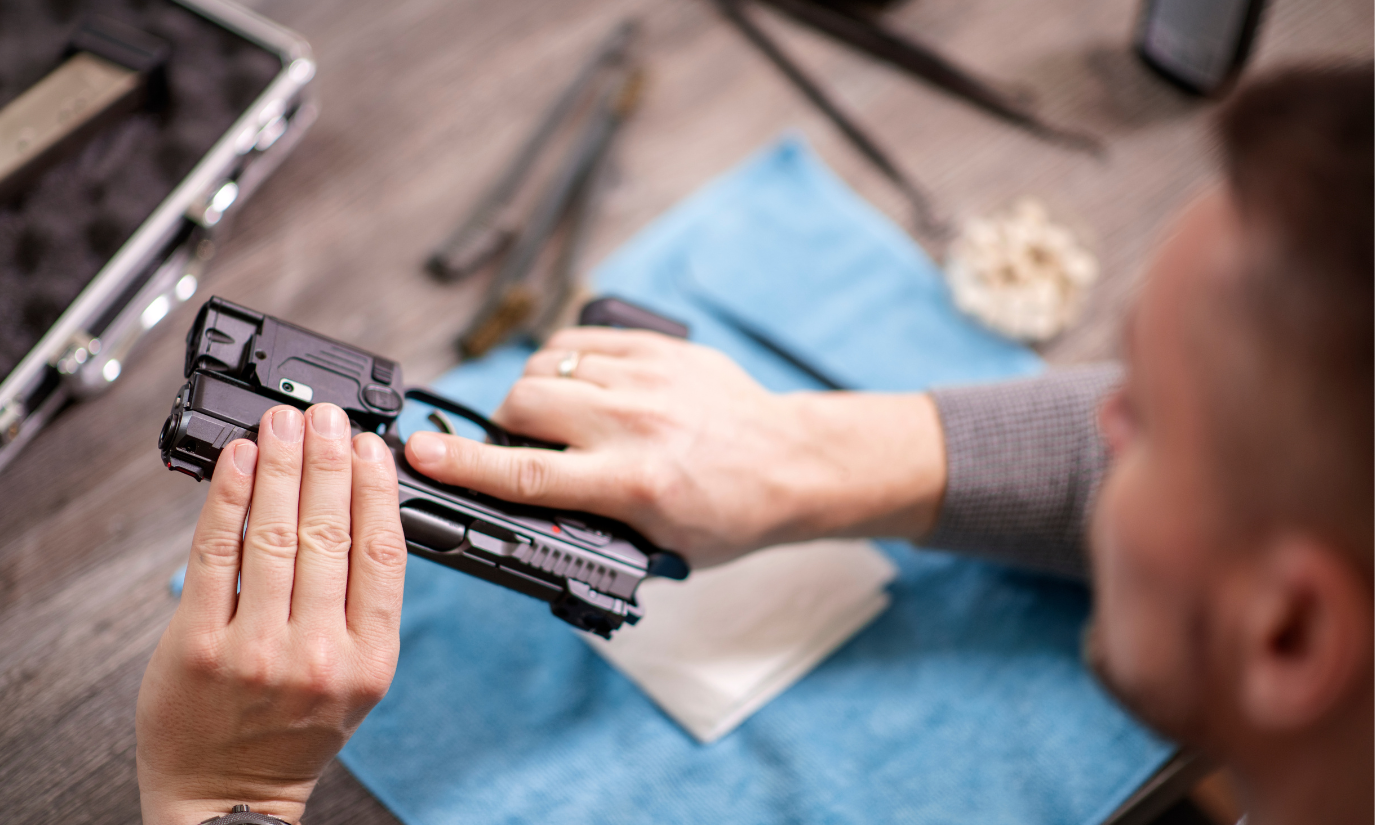
- Equipment review: Instructor verifies firearm is unloaded, inspects holster (if used), checks ammo type (some indoor ranges forbid steel/bi-metal).
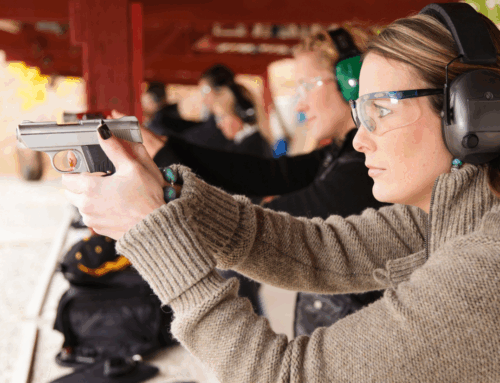
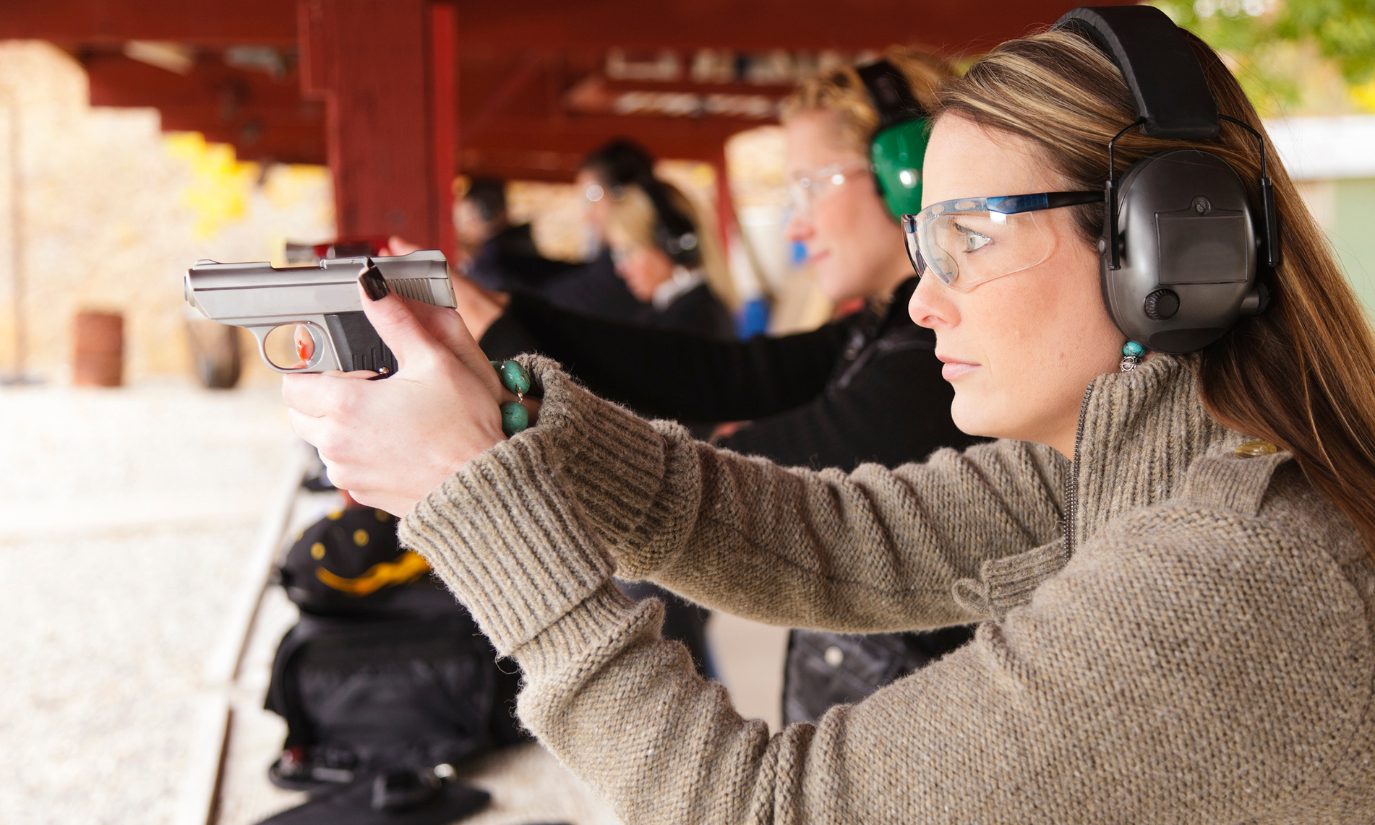
- Safety equipment: You’ll need ear protection (ideally earplugs + earmuffs) and eye protection that meets ANSI Z87.1 standards. Indoor gunfire can exceed 140 dB, which is why dual protection is commonly recommended; Z87.1 lenses protect against impact. (OSHA, PMC, NSSF, The ANSI Blog)
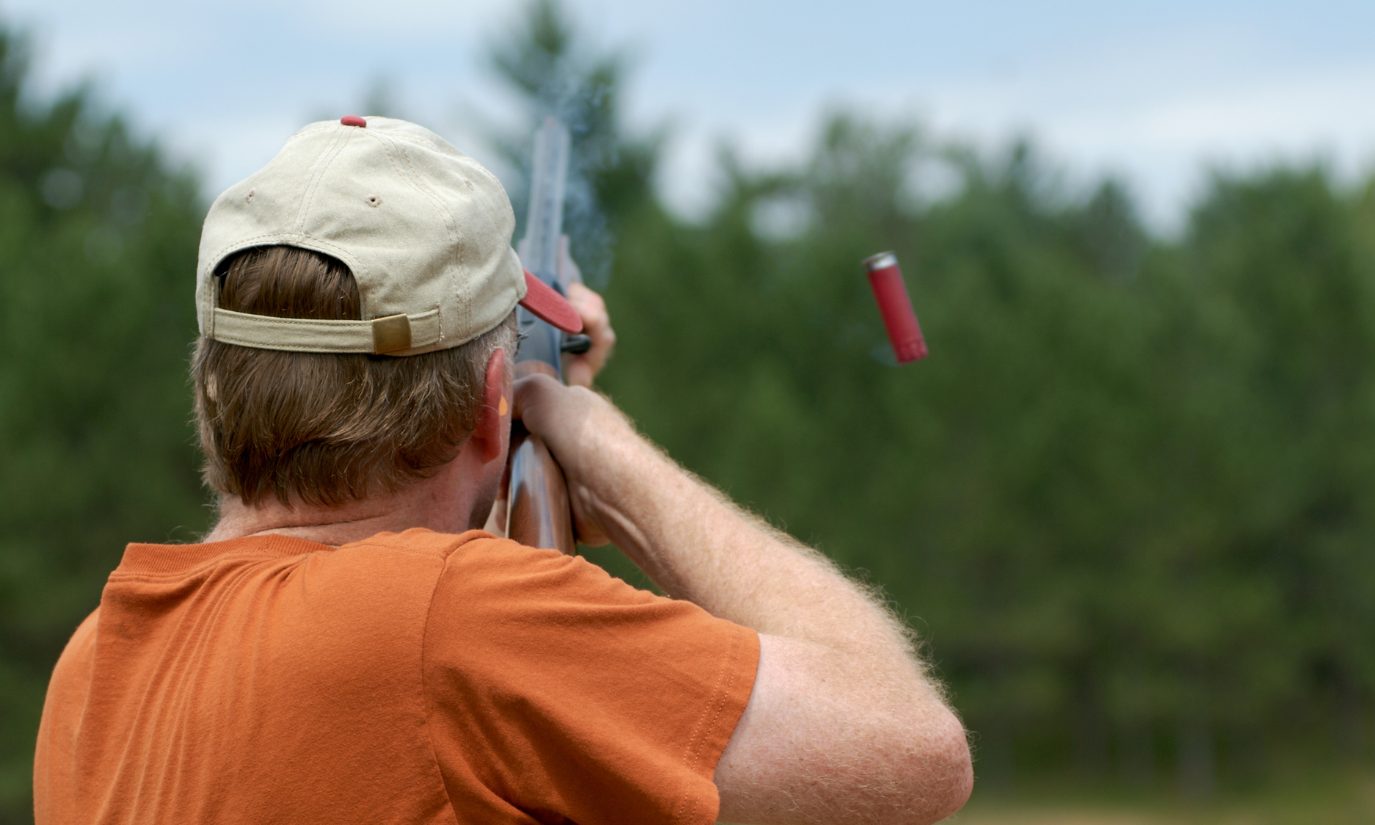
Pro tip: Wear closed-toe shoes, a brimmed hat, and crew-neck shirts to deflect hot brass. Bring water and avoid energy drinks beforehand.
2) The safety briefing (non-negotiable)
A reputable class starts by reinforcing the core safety rules—phrased slightly differently across organizations but covering the same ground:
- Keep the muzzle pointed in a safe direction.
- Keep your finger off the trigger until your sights are on target and you’ve made the decision to shoot.
- Treat every gun as if it’s loaded and know your target and what’s beyond.
NRA and NSSF publish these fundamentals and are good refreshers before class. (gunsafetyrules.nra.org, NSSF)
You’ll also learn range commands (e.g., “Cease Fire,” “Make Ready,” “Unload and Show Clear”) and how to respond immediately and visibly.
3) Classroom fundamentals (hands-on, unloaded guns)
Instructors typically cover:
- Safe loading/unloading and administrative handling.
- Stance, grip, sight picture, trigger press, and follow-through.
- Dry practice reps with inert guns or empty chambers so you can build mechanics without noise or recoil.
Expect frequent instructor diagnostics to prevent bad habits early.
4) Live-fire portion (measured, not macho)
- Round count: Often 50–150 rounds in a beginner block; quality reps beat high round counts.
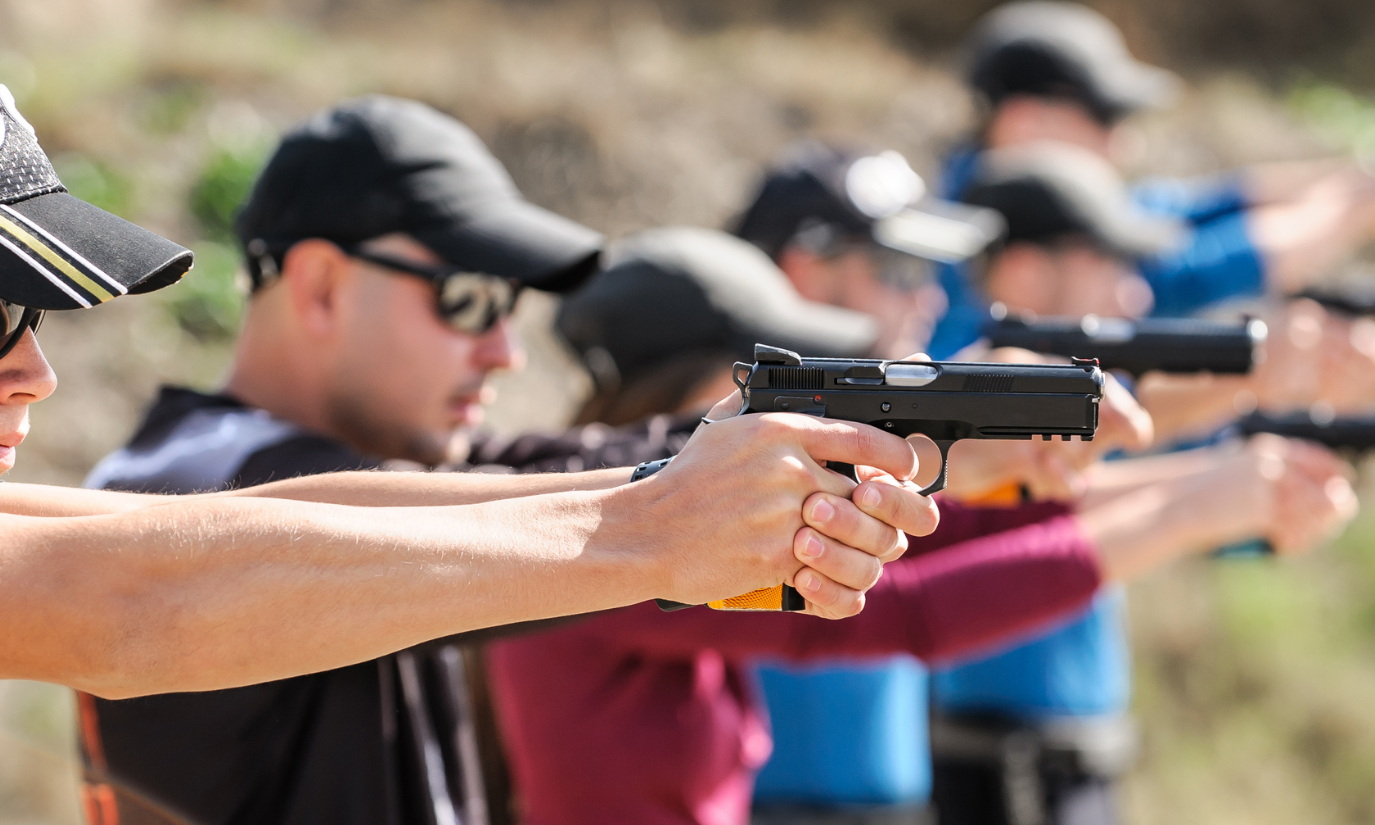
- Pace: Slow-to-moderate cadence at 3–10 yards, focusing on sight confirmation and a clean trigger press—the two fundamentals that most determine early accuracy. (PMC)
- Coaching: You’ll get immediate corrections on grip pressure, support-hand placement, and trigger path.
- Reloads & stoppages: Basic reloads and simple malfunction clears (tap-rack) are commonly introduced.
5) Hygiene & hearing: treat the range like a workshop, not a café
- Noise: Impulse levels from firearms can exceed 140–170 dB depending on platform and environment. That’s why instructors often prefer dual hearing protection. (PubMed, OSHA)
- Lead exposure: Indoor and frequent shooters can have elevated exposure; good ventilation and simple hygiene (no food on the line, wash hands/forearms after shooting, change/launder range clothes) significantly reduce risk. (CDC, PMC)
6) Debrief, next steps, and documentation
- Performance review: Expect a summary of strengths and one or two priority fixes.
- Certificate/roster: Some schools issue proof of completion; keep it for future classes or permit applications (where applicable).
- Homework: Most instructors will assign safe dry-practice routines and a short live-fire plan so you retain what you learned. NSSF’s “Range Safety & Etiquette” resources are helpful refreshers. (NSSF, Vimeo)
How to get the most out of Day One
- Arrive 15 minutes early so you’re not rushed during the safety brief.
- Ask questions the moment something is unclear—before you press the trigger.
- Focus on consistency, not speed. Clean repetitions build confidence; speed comes later.
- Log your settings & results: Note grip tips that worked, sight picture that produced hits, and ammo used.
- Schedule your follow-on class while the skills are fresh.
What you don’t need (yet)
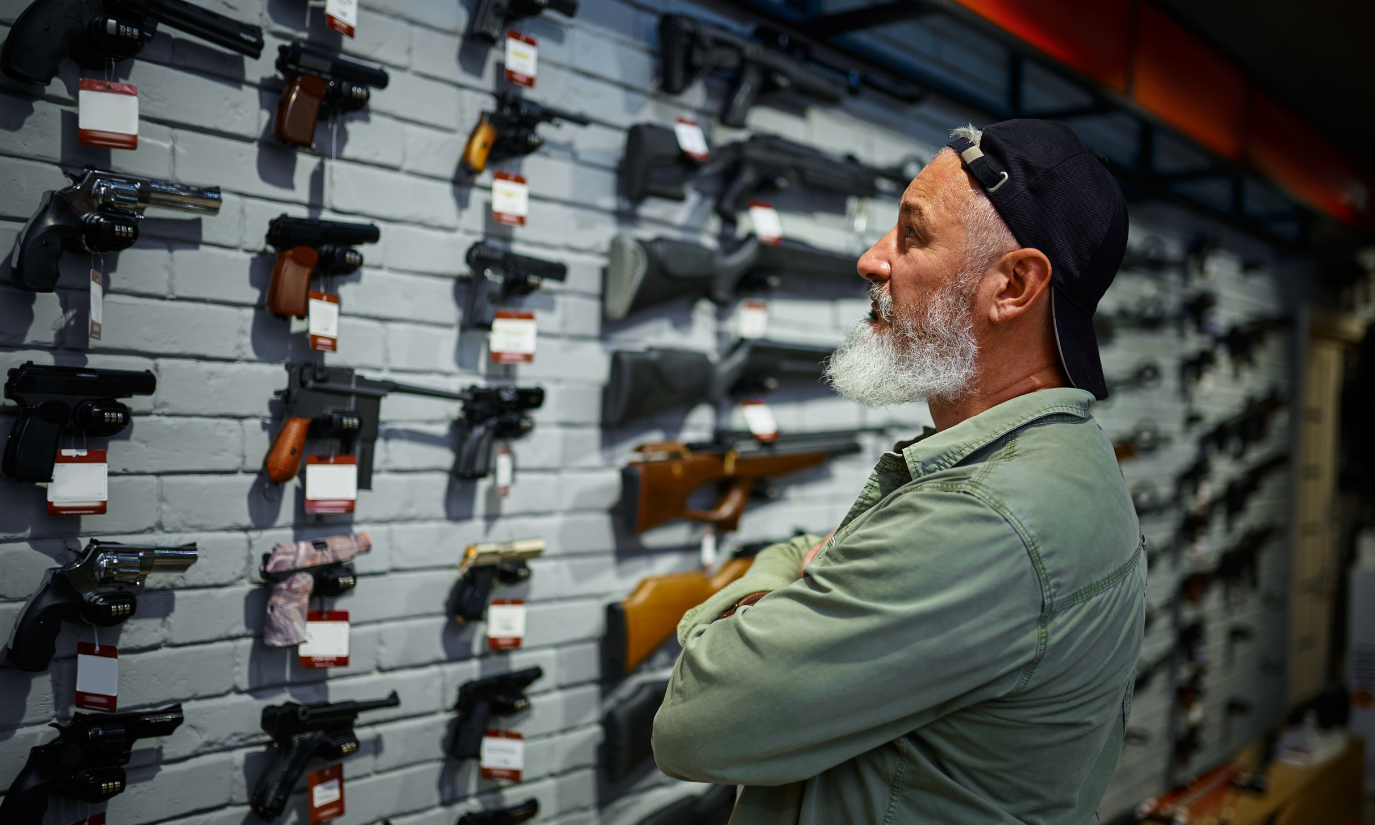
- Race holsters, competition triggers, or tiny micro-guns that are hard to control. Start with reliable, mainstream gear you can run well—your instructor can help you refine choices after seeing you shoot.
Final reminder
Laws and range policies change. Before class, verify current local laws on transport and storage, and review your range’s rules on ammo types, case collection, and emergency procedures. When in doubt, ask your instructor—they’ll be glad you did. (NSSF)
Related Posts