Top 5 Mistakes New Shooters Make (and How to Avoid Them)
Safety & legal note: This article is educational and not legal advice. Firearm and range rules vary by location and change over time. Always verify current laws and your range’s policies before training.
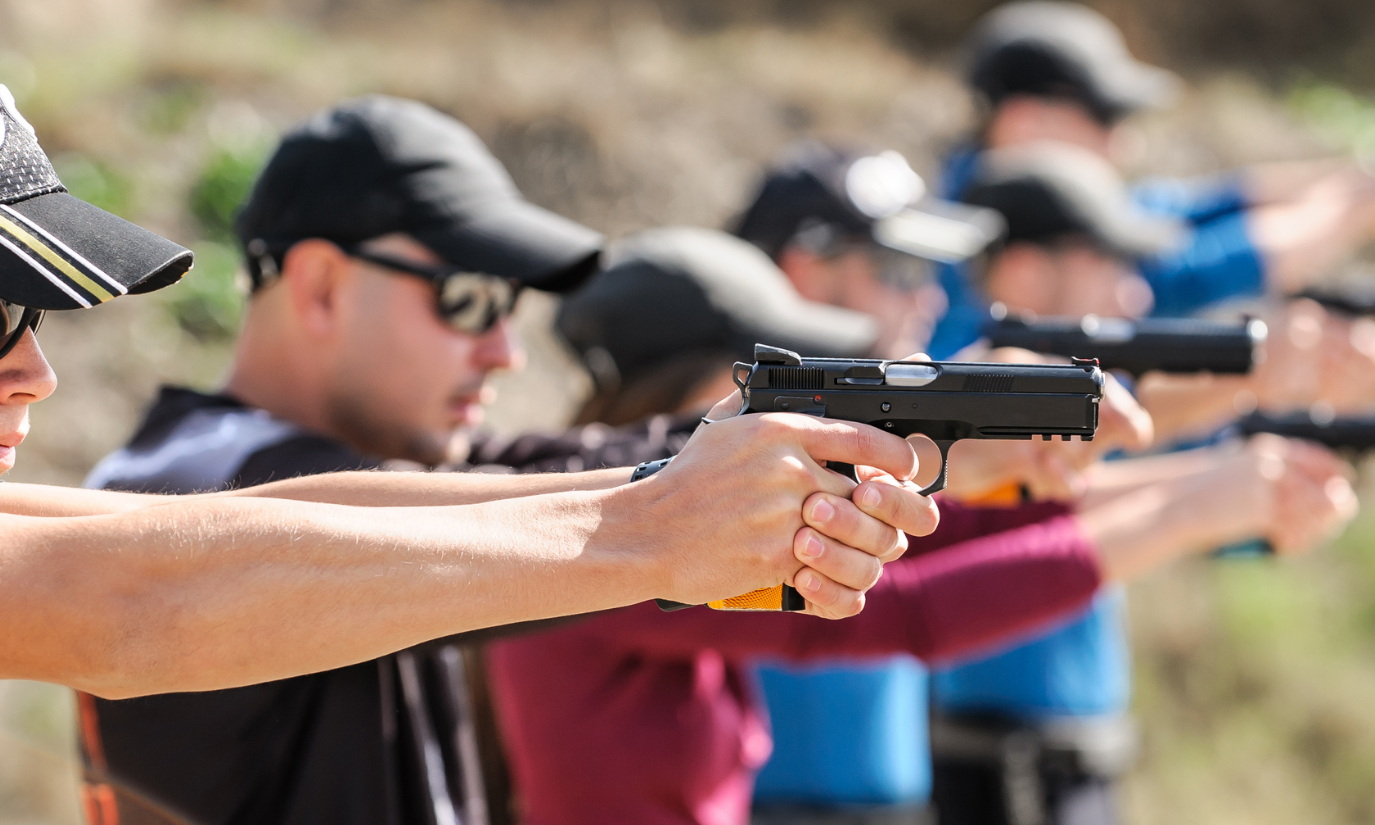
1) Sloppy muzzle/trigger discipline
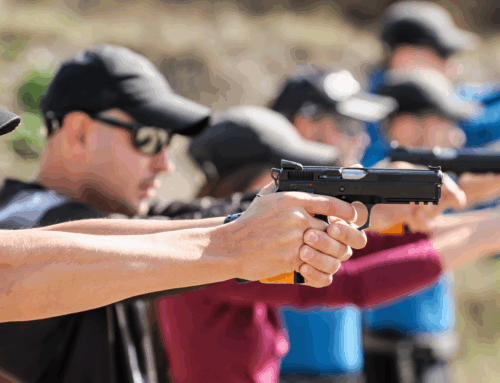
The mistake: Letting the muzzle wander across people or property (“muzzling”) and resting the finger on the trigger while moving, loading, or re-holstering.
Why it matters: Nearly every preventable incident breaks the core rules:
- Point in a safe direction.
- Finger off the trigger until you’re ready to shoot.
- Treat every gun as if it’s loaded. (gunsafetyrules.nra.org, NSSF)
Fix it:
- Build a “ready position” with the muzzle downrange or at a clearly safe angle—then move your eyes, then the gun.
- Park your trigger finger high on the frame until your sights are on target and you’ve made the decision to fire.
- Verbally check yourself during reps: “safe muzzle, safe finger.”
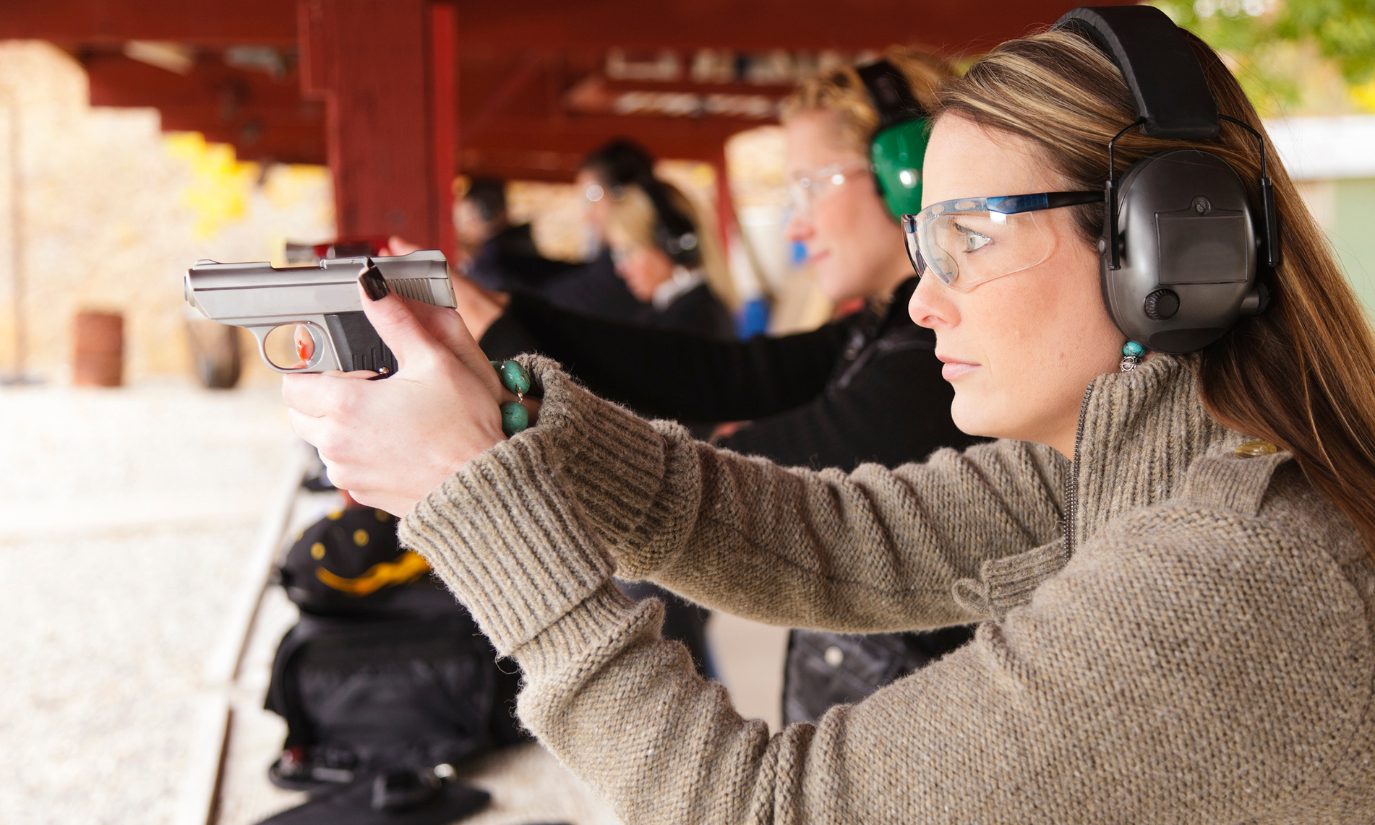
2) Under-protecting eyes and ears
The mistake: Wearing no protection (or a thin set of foam plugs) because “it’s only a few rounds.”
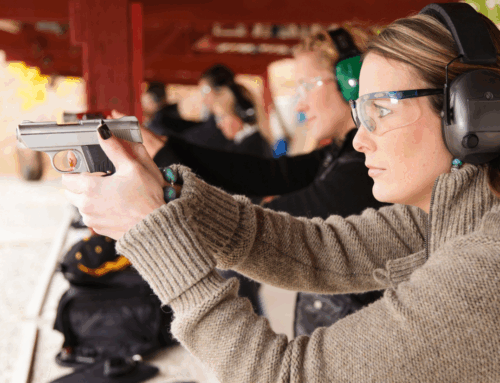
Why it matters: Live-fire impulse noise commonly exceeds 140–150 dB, high enough to damage hearing instantly; indoor ranges add reflected sound. NIOSH recommends dual hearing protection (earplugs and earmuffs) for live fire. Eye injuries can be prevented by ANSI Z87.1–rated eyewear or higher ballistic-rated lenses. (CDC, The ANSI Blog)
Fix it:
- Double up: properly inserted plugs plus over-the-ear muffs at the range.
- Choose eyewear clearly marked Z87 (ANSI Z87.1) or higher ballistic spec; keep lenses clean so you actually use them. (The ANSI Blog)
3) Buying the wrong gun for your hands and purpose
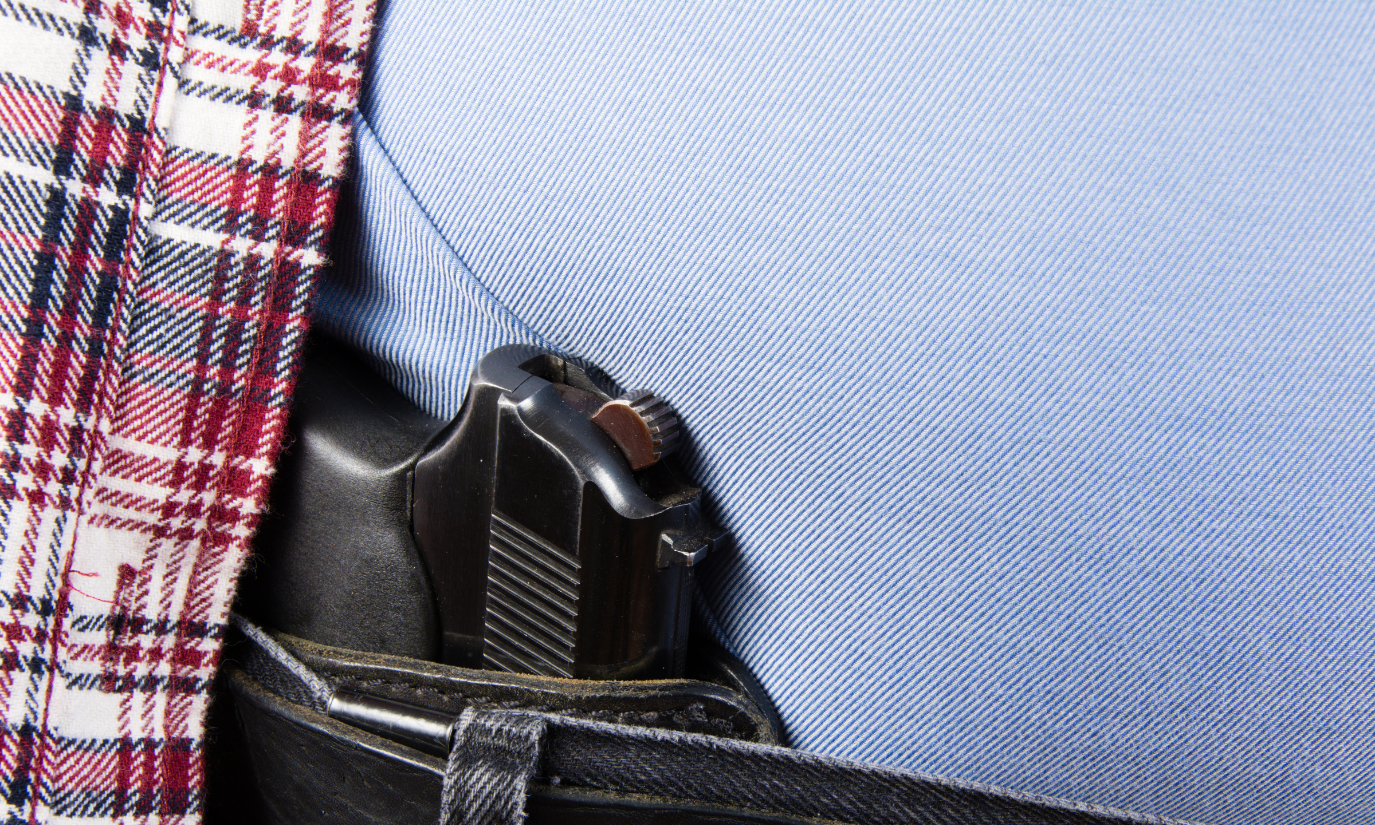
The mistake: Picking a micro-size handgun because it’s “easy to carry,” then discovering it’s hard to control and unpleasant to practice with.
Why it matters: Control and hit probability fall when the grip is too small, trigger reach is off, or recoil is harsher than you can manage.
Fix it:
- Define the job first (home defense, carry, training).
- Test-fit and, if possible, test-fire 2–3 models. You should press the trigger straight to the rear without twisting the gun, reach controls without shifting your grip, and keep rapid pairs inside an 8–10″ circle at 7–10 yards.
- New defensive shooters do well starting with a 9mm, striker-fired pistol that fits their hands; add an optics-ready slide only if you’ll train with it.
4) Rushing the shot—ignoring sights and trigger control
The mistake: “Snatching” the trigger while the sights are still floating, then chasing misses by going faster.
Why it matters: Fundamentals are not folklore. Across marksmanship programs, two truths recur: see what you need to see (sight alignment/picture) and press the trigger without disturbing the sights. (U.S. Army Reserve, lejeune.marines.mil)
Fix it:
- Run a simple cadence drill: from ready, present to the target, confirm sights, press straight to the rear, call the shot, recover the sights, repeat.
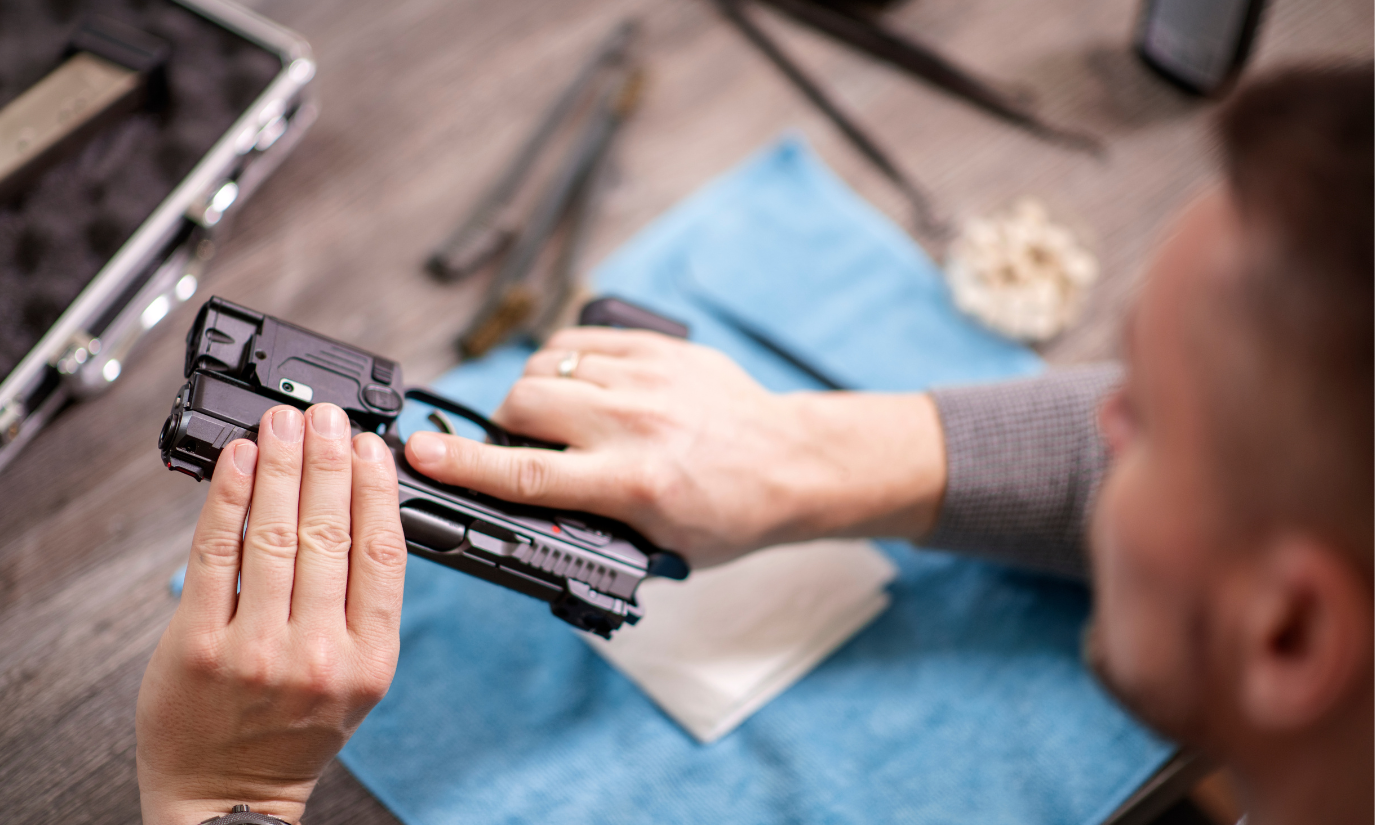
- Add safe dry practice at home to build a clean press (with all ammo removed from the room, a designated safe direction, and a hard stop when finished). (NRA Family)
5) Treating the range like a normal room (lead & hygiene)
The mistake: Eating on the firing line, handling ammo with bare hands and then snacking, or leaving the range without washing up.
Why it matters: Studies and federal guidance link range use—especially indoors—to elevated lead exposure and hearing risks; instructors and frequent shooters are particularly at risk. Good range hygiene dramatically reduces that risk. (PMC, CDC, CDC Blogs)
Fix it:
- No food or drink on the line; wash hands/forearms with cold water and soap after shooting and before eating.
- Use separate range clothes; launder them separately if you shoot often.
- Favor ranges with good ventilation; keep using the double hearing protection from Mistake #2. (CDC)
Quick checklist you can screenshot
- Safe muzzle, safe finger—every rep. (gunsafetyrules.nra.org)
- Double up ear pro + ANSI Z87.1 eye pro. (CDC, The ANSI Blog)
- Buy what fits your hands and meets your purpose.
- See sights → press cleanly; add safe dry practice. (U.S. Army Reserve, NRA Family)
- Range hygiene: wash up, no snacks on the line, ventilated bays. (CDC)
Final reminder: Policies, local laws, and range rules change. Always confirm the current rules with your range and local authorities before training.
Related Posts